we're so afraid of fatness that we're accidentally teaching kids to have eating disorders
as a society, we have decided that one of the greatest threats to our children's health is that they might become fat. we talk about it endlessly; in schools, in pediatric offices, in the media. we treat childhood obesity as a crisis that must be prevented at all costs. but in my clinical experience working with children and adolescents, i want to ask: are we paying attention to the right crisis?
what I am seeing in my work
eating disorders are staggeringly common in young people and the kids who actually make it into a therapy office represent just a fraction of those who are struggling. eating disorders are notoriously underdiagnosed, underreported, and undertreated, particularly in kids who don't fit the stereotypical image of what an eating disorder "looks like."
meanwhile, our cultural response to the fear of fat kids has been to double down on restriction, food rules, and body surveillance, the very things that research tells us fuel disordered eating. we are so focused on preventing one health outcome that we are actively contributing to another.
what I see providers doing
i've personally witnessed well-meaning providers - doctors, dietitians, school nurses - teaching nutrition to kids by labeling foods "good" or "bad." calling anything that isn't a whole food "junk" or a "sometimes food." placing the emphasis squarely on restriction and avoiding certain foods.
i understand the intention, truly, but the impact matters too. when we teach kids that certain foods are bad, we actually aren’t teaching them about nutrition at all. we are teaching them that eating those foods makes them bad. we introduce shame into their relationship with food before they've even hit middle school.
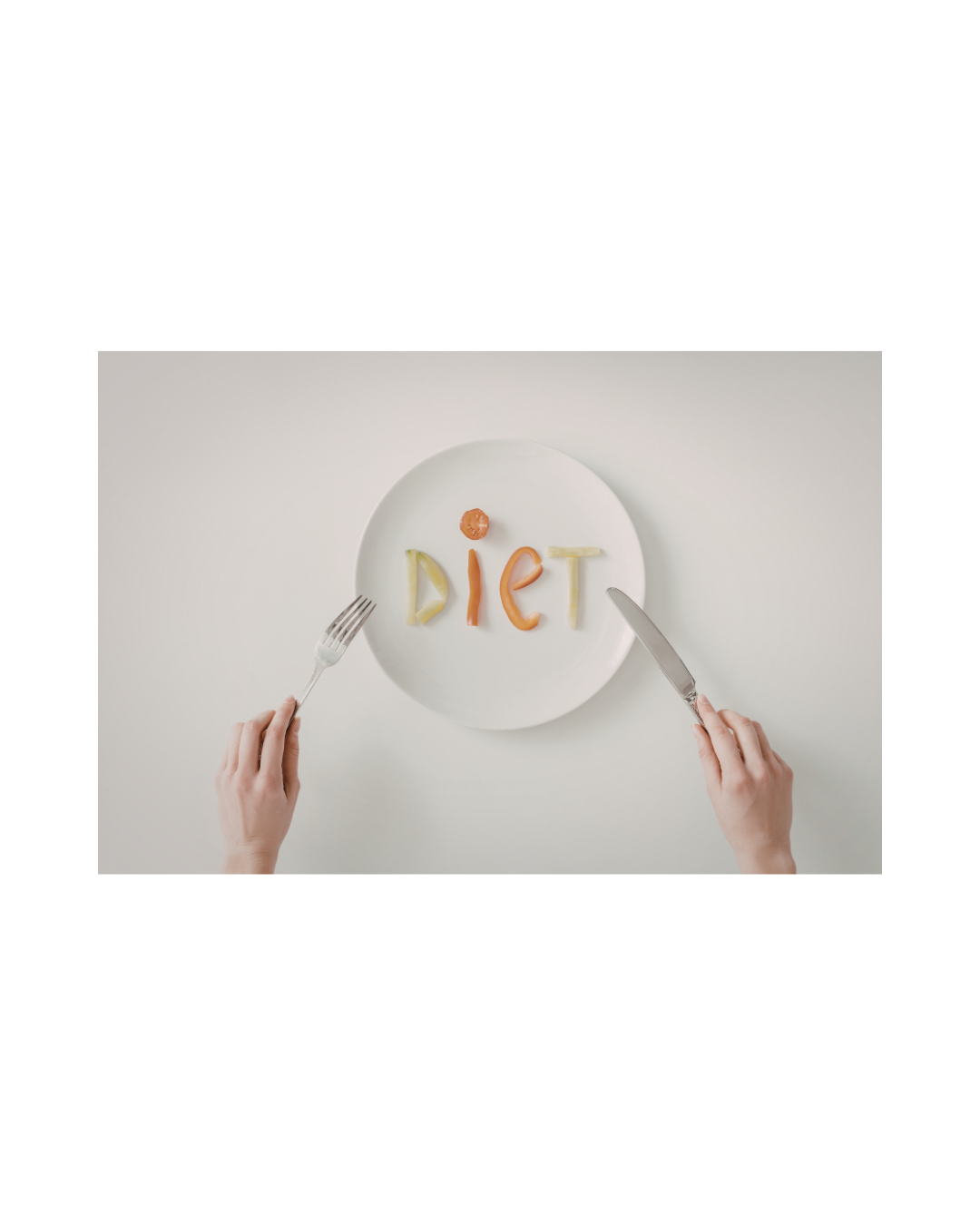
if you’ve been following me for a while, you know how I strongly I feel about dieting and we know the research is clear: diets don't work. restriction doesn't produce lasting health outcomes. what it does produce is a preoccupation with food, fear of eating, and in many cases, the very disorders we were trying to prevent.
what we should be teaching
all foods fit, that's it, that's the message.
what you eat does not make you a good or bad person. a kid who eats a cookie is not a kid with less self-control or less worth than one who reaches for an apple. food is not a moral category and the sooner we stop treating it like one, the healthier our kids' relationships with it will be.
we can absolutely talk to kids about nutrition, about how food fuels their bodies, about listening to hunger and fullness cues. none of that requires teaching them that some foods are shameful or that their body is a problem to be managed.
the goal was never to raise kids who are thin. it was to raise kids who are healthy, and a healthy relationship with food is part of that picture, whether or not we've been treating it that way.
we are fighting the wrong battle and our kids are paying for it.
